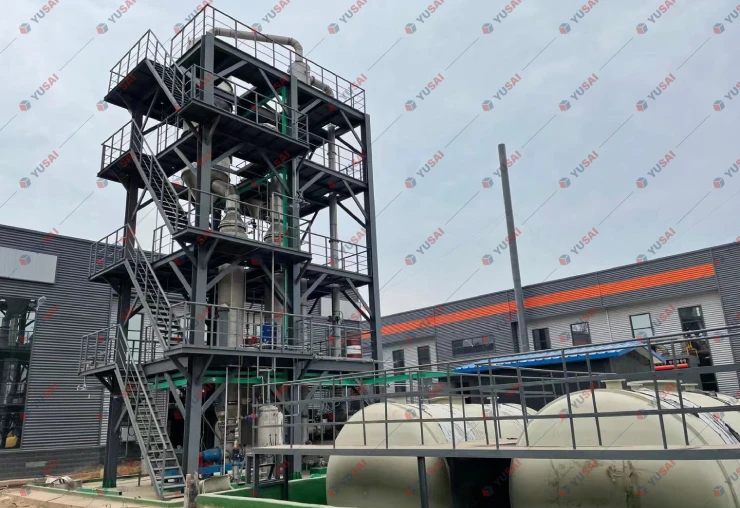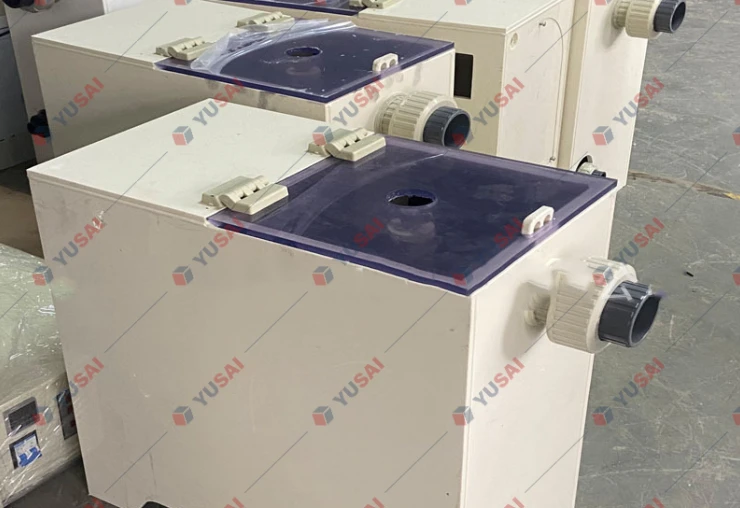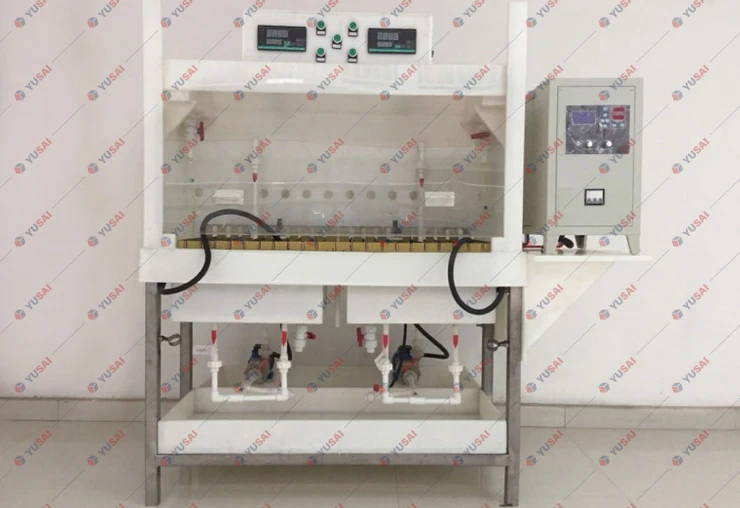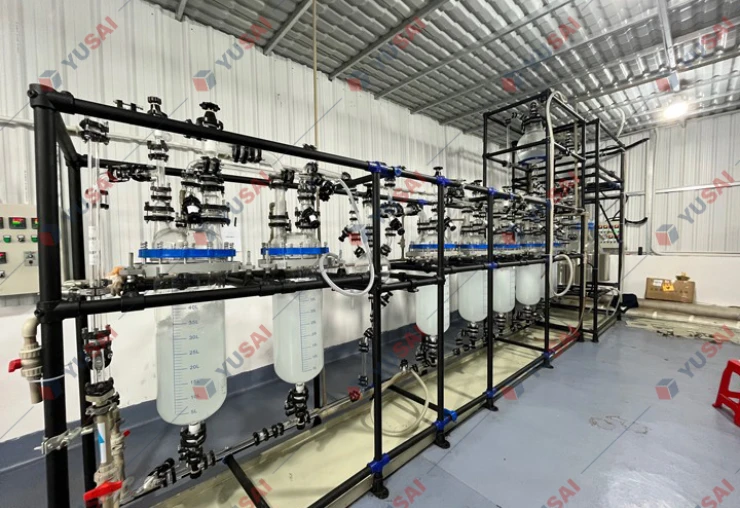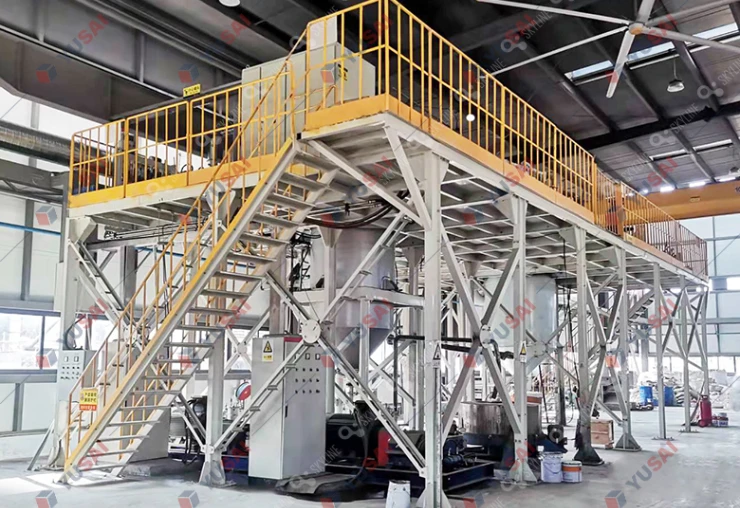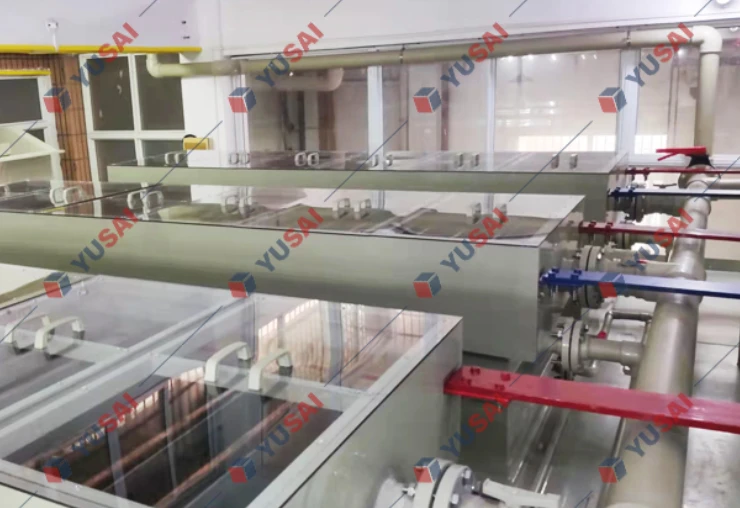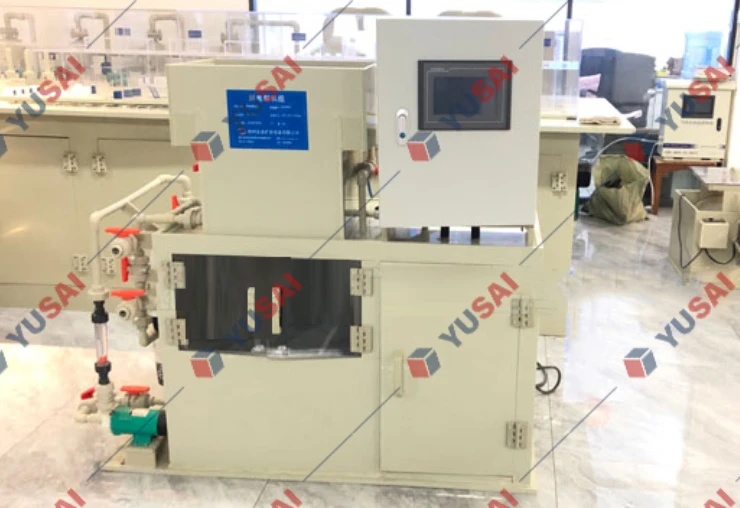
Electrolytic Copper Engineering
The copper content in copper-containing wastewater is very high. Direct discharge not only pollutes the environment but also wastes resources. Therefore, it is necessary to treat the copper-containing wastewater, recover and utilize copper through technical means, and discharge it after the water quality meets the standard.
Traditional Copper-Containing Wastewater Treatment Process
The chemical copper generated in the PCB industry is currently one of the thorny waste liquids in the PCB industry. At present, many enterprises utilize traditional processes such as complexation breaking + coagulation sedimentation”, resin adsorption, and heavy metal scavengers.
| Traditional Treatment Processes | |||
| Process Comparison | Chemical Method | Ion Exchange Method | Heavy Metal Scavengers |
| Principle | Complexation breaking + Coagulation sedimentation | Resin adsorption of heavy metals | Chemical agents co-precipitate with heavy metals |
| Limitations | Large dosage of chemicals, high operating costs | Regeneration solution cannot be treated, a large amount of ammonia is adsorbed by the resin, low resin efficiency, resin is prone to failure | Suitable for ionic heavy metals, limited scavenging capacity |
Key Technology of Copper Electrolytic Equipment
The use of titanium-composite electrode plates for electrolyzing chemical copper achieves a favorable removal effect on heavy metals. By utilizing electrolysis to disrupt the stable system of the waste liquid, heavy metals are electrolyzed into elemental substances.
| The effectiveness of copper electrolytic equipment in treating chemical copper. | ||
| Indicator/Water sample | Cu²﹢(mg/L) | Ni²﹢(mg/L) |
| Principle | 450 | 50 |
| Limitations | 0.062 | 0.093 |