Drawbacks of Low Current Density (300~500 A/m²) Horizontal Silver Electrolytic Cell
- The current density of this conventionally used electrolytic cell is relatively low (typically 250-350 A/m²), resulting in a lower electrolysis rate and a larger volume of electrolyte occupied in the equipment. This leads to significant capital tie-up and slow turnover.
- Horizontal silver electrolytic cells require periodic cleaning of the cell bottom after a certain period of production. Silver powder tends to accumulate under the crawler belt, causing irregular powder discharge, and the quality of the silver powder that has been accumulated for a long time is substandard.
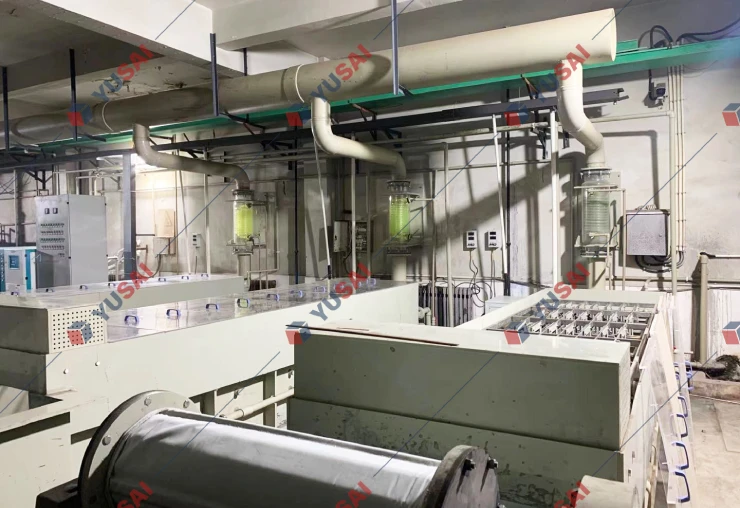
- To exhaust the fumes generated during electrolysis, a large exhaust hood is installed at the top of the electrolytic cell, which affects the loading and unloading of the cell, provides poor ventilation, requires high air pressure and large air volume, and is aesthetically unpleasing.
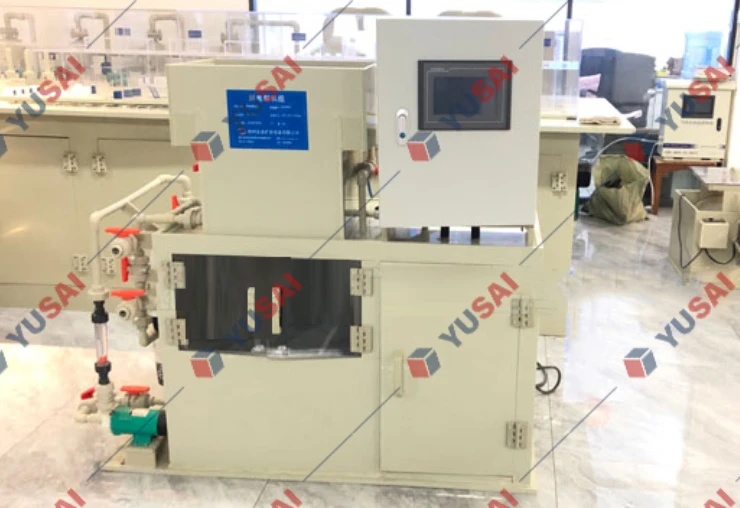
High Current Density (600~800 A/m²) Horizontal Enclosed Electrolytic Cell
This cell type offers the following additional advantages over conventional horizontal silver electrolytic cells:
- By adjusting parameters (such as flow rate and parallel flow), a single cell can achieve a production capacity of 100 kilograms.
- The ventilation method has been changed to an enclosed side draft, improving the workshop environment and facilitating the loading and unloading of the cell.
Disadvantages: Like the low current density version, horizontal silver electrolytic cells require periodic cleaning of the cell bottom after a certain period of production. Silver powder tends to accumulate under the crawler belt, causing irregular powder discharge, and the quality of the silver powder that has been accumulated for a long time is substandard.
Users: Inner Mongolia Qiankun, Yantai Jin’ao, etc.