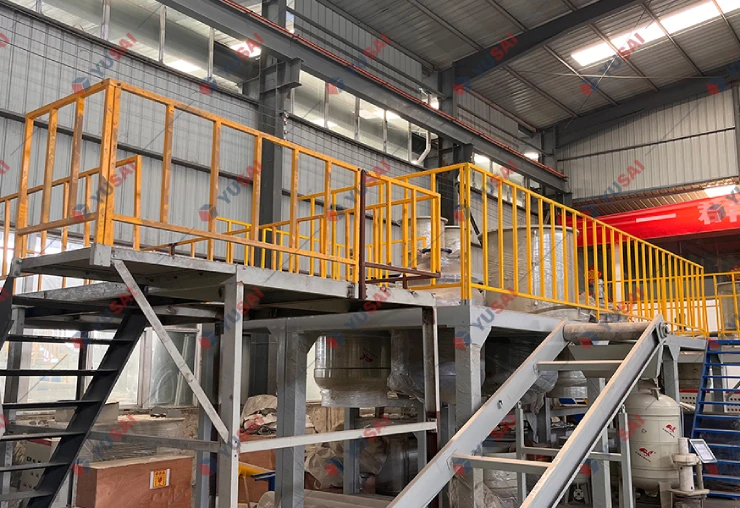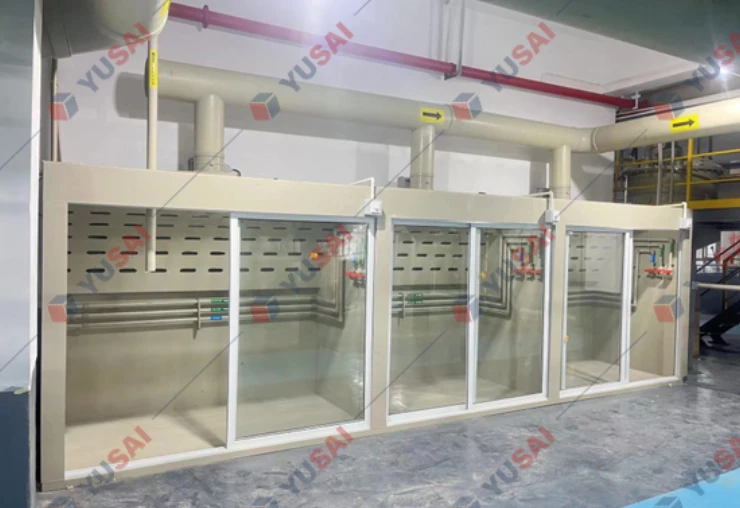
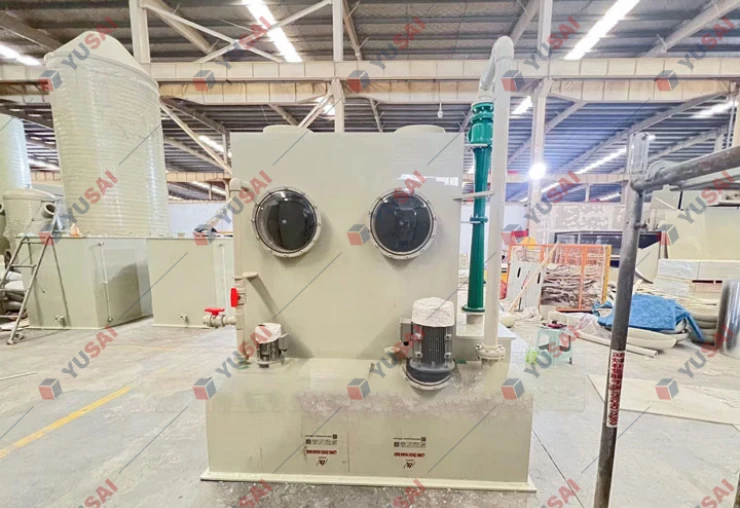
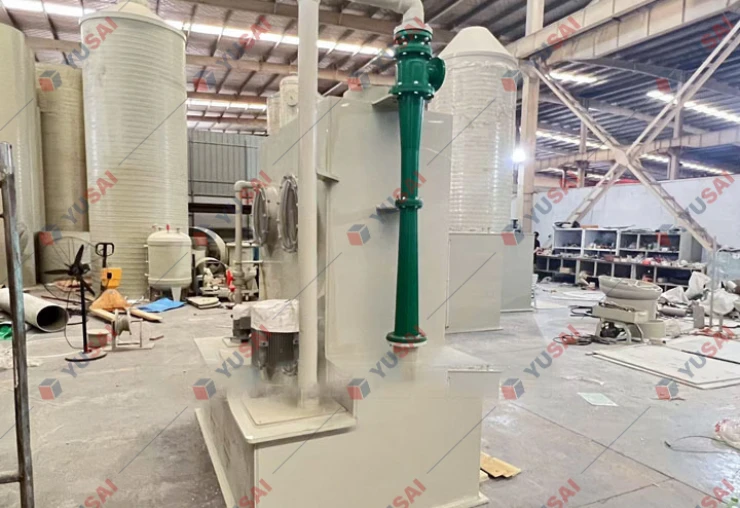
High-Concentration Nitrogen Oxide Waste Gas (Gas Volume: 100-300m³/h)
Nitrogen oxides are drawn into the jet tower by the suction force generated by the high-speed circulating reagent, forcing the nitrogen oxide gas to mix thoroughly and react with the reagent. Through a liquid-phase closed-loop circulation treatment process, nitrogen oxides are absorbed to the maximum extent. After being forcibly broken up and mixed by the jet injector, the nitrogen oxides are further absorbed through the packing layer and spray layer of the Jet Environmental Protection Unit.
Low-Concentration Nitrogen Oxide and Acidic Waste Gas (Gas Volume: Below 5000m³/h)
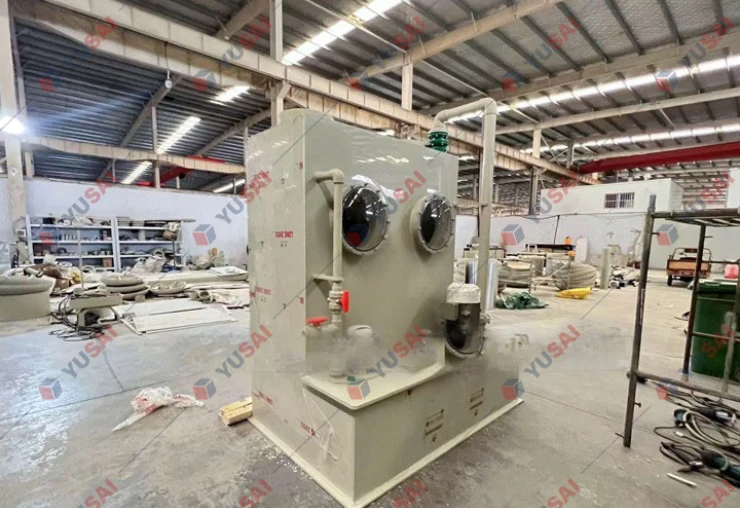
Flue gas enters the Jet Environmental Protection Unit from the top and moves downward. It passes through a primary spray device and then enters a secondary spray chamber through air holes at the bottom of the unit. In the secondary spray chamber, the flue gas moves upward from the bottom, while the reagent moves downward through the spray device, creating a counterflow that maximizes the efficient mixing of gas and reagent. The treated gas is then discharged into the atmosphere through a centrifugal fan and chimney.